The recipes we inherit are disappearing. And of course, we believe that every family and every friend group has dishes worth remembering. The interactive room
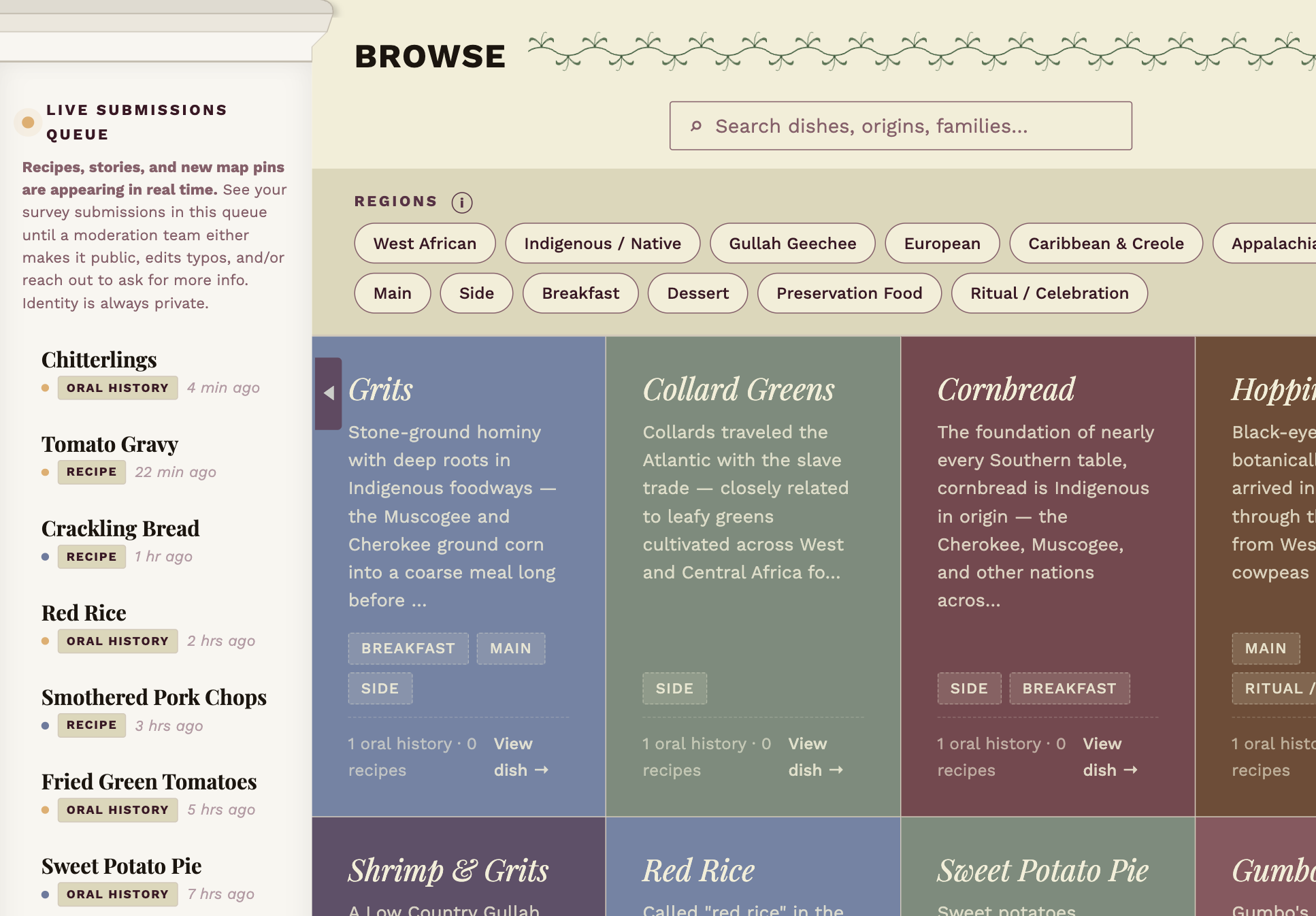
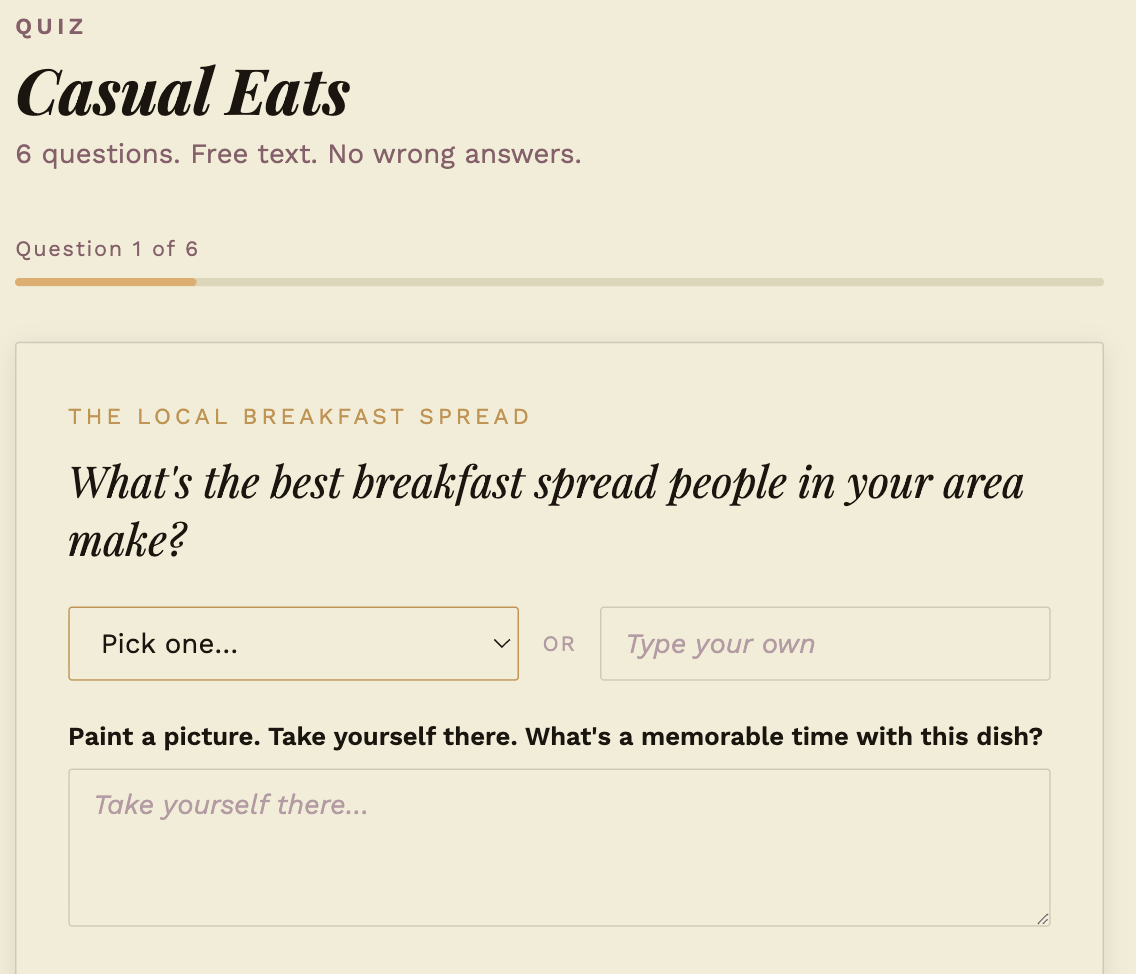
The first room combines existing food research with stories from people like you to add to the mapped story of where dishes are eaten in the world. You can explore through the map and the feed.
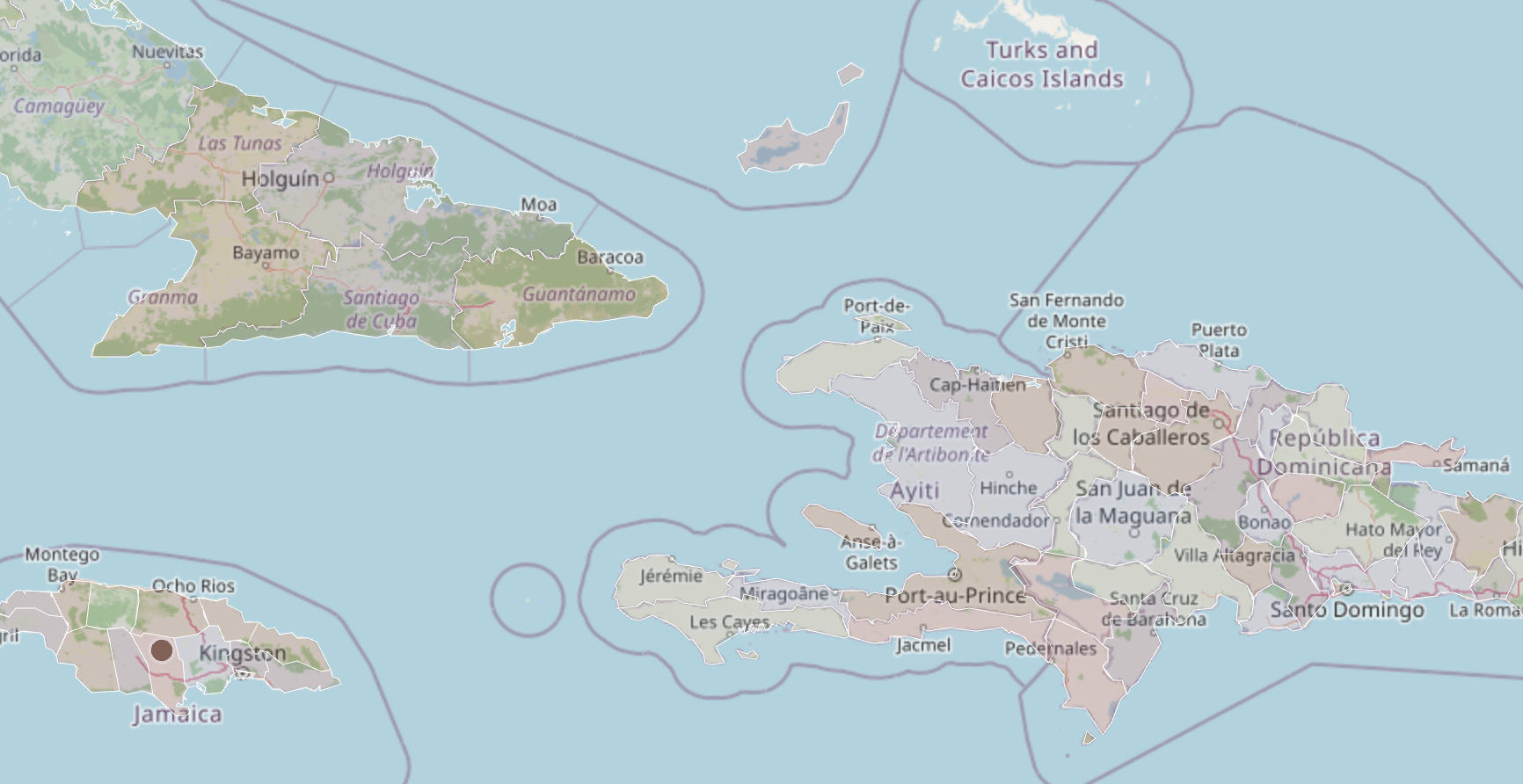
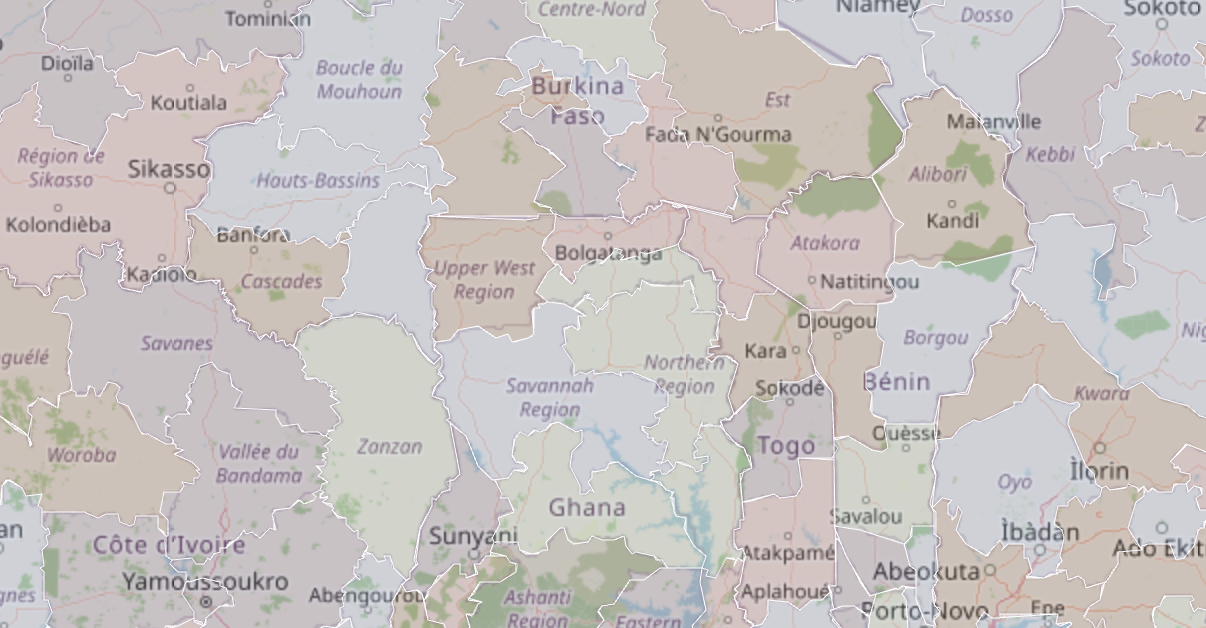
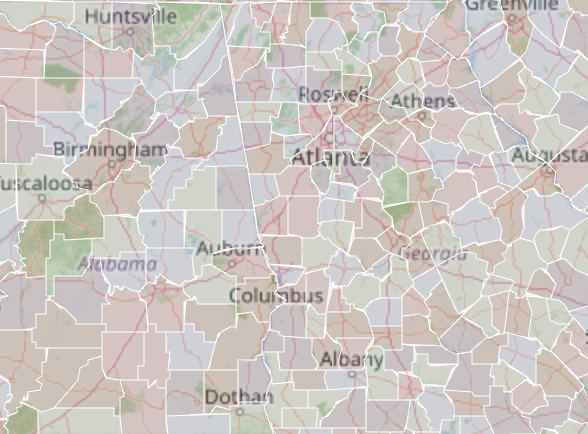
We ask you to wonder:
1. What is your food identity, really?
2. Who do you share it with? (you might be surprised!)
You'll eat tens of thousands more meals and make millions more micro-decisions about what to eat over your lifetime. You'll choose your holiday meals, your Wednesday meals, and what you're made of when your doctor takes your blood.
Do you want to know why you choose?

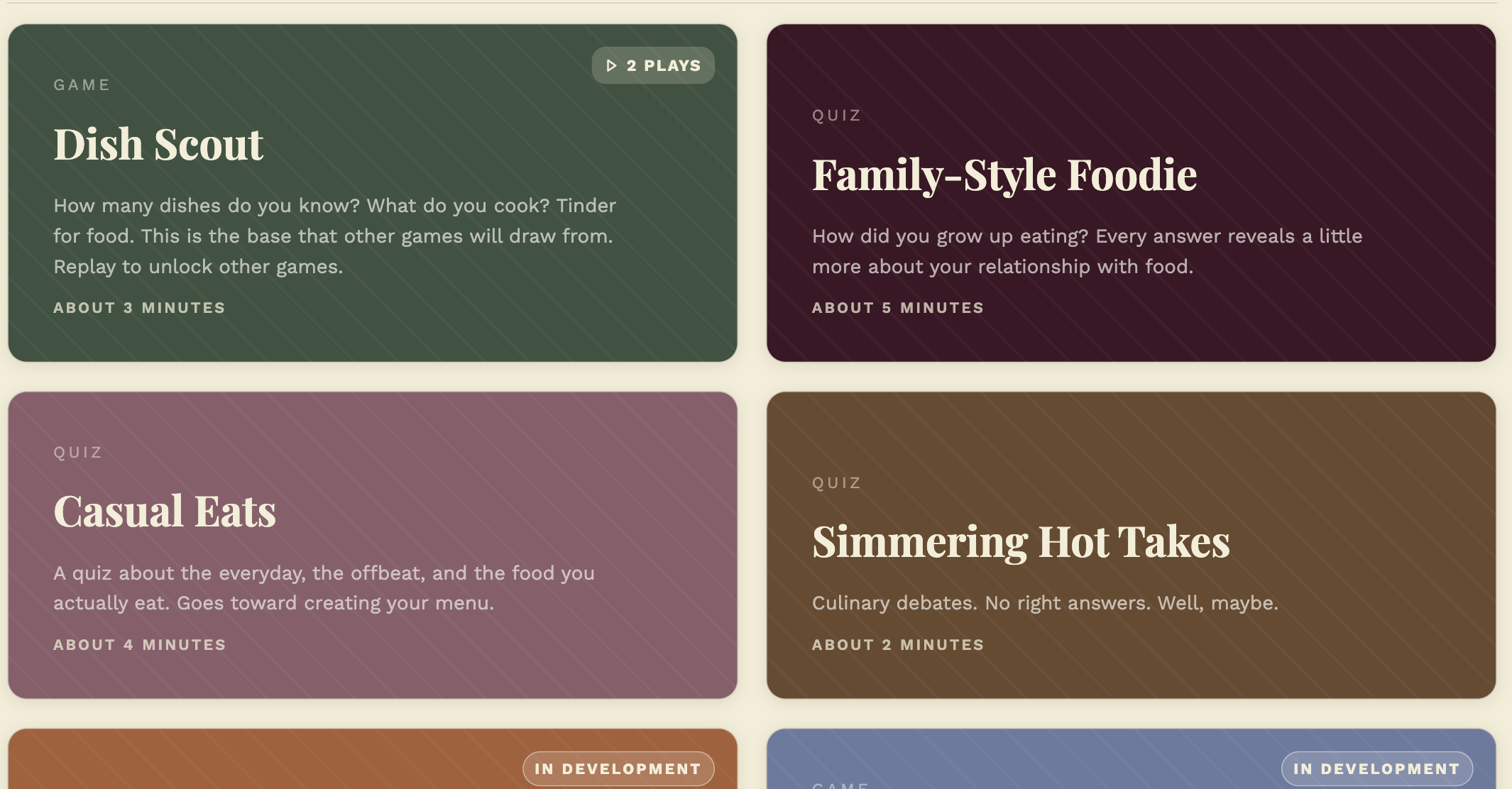
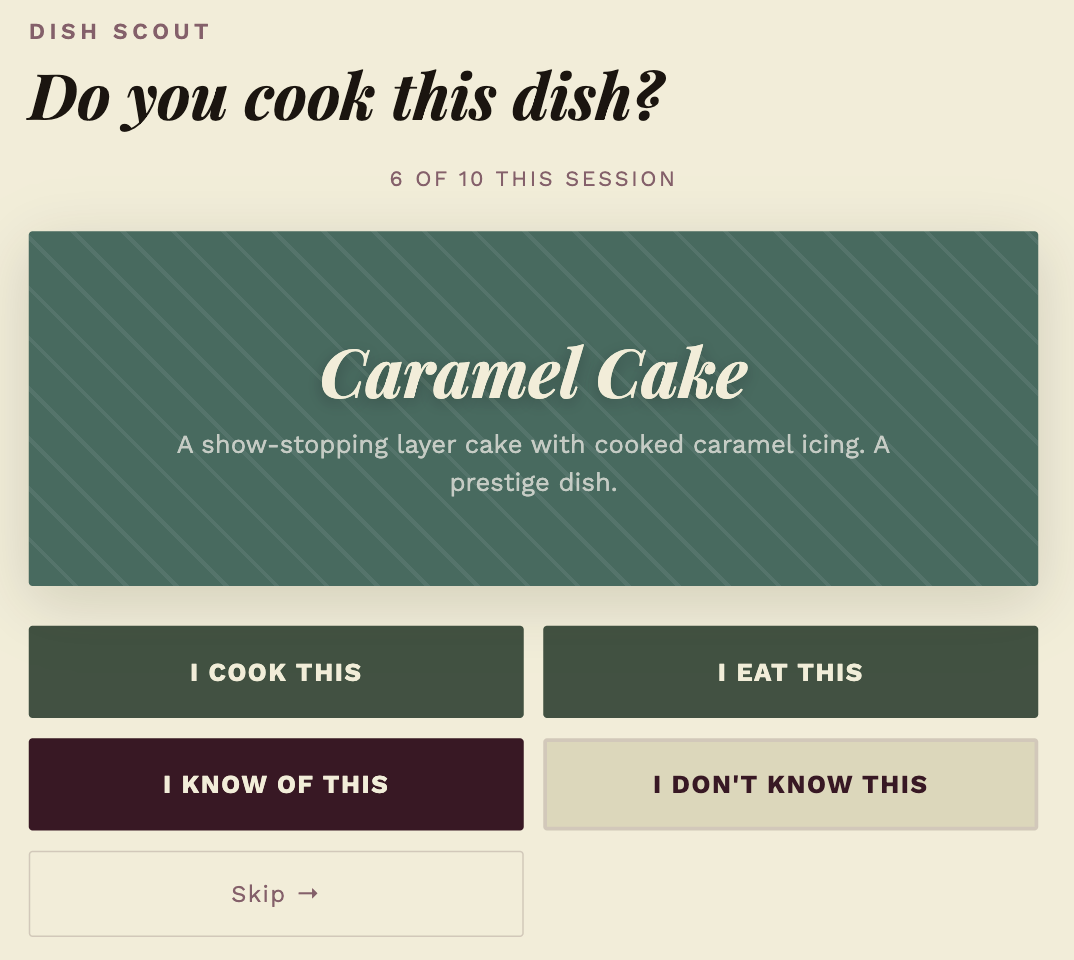
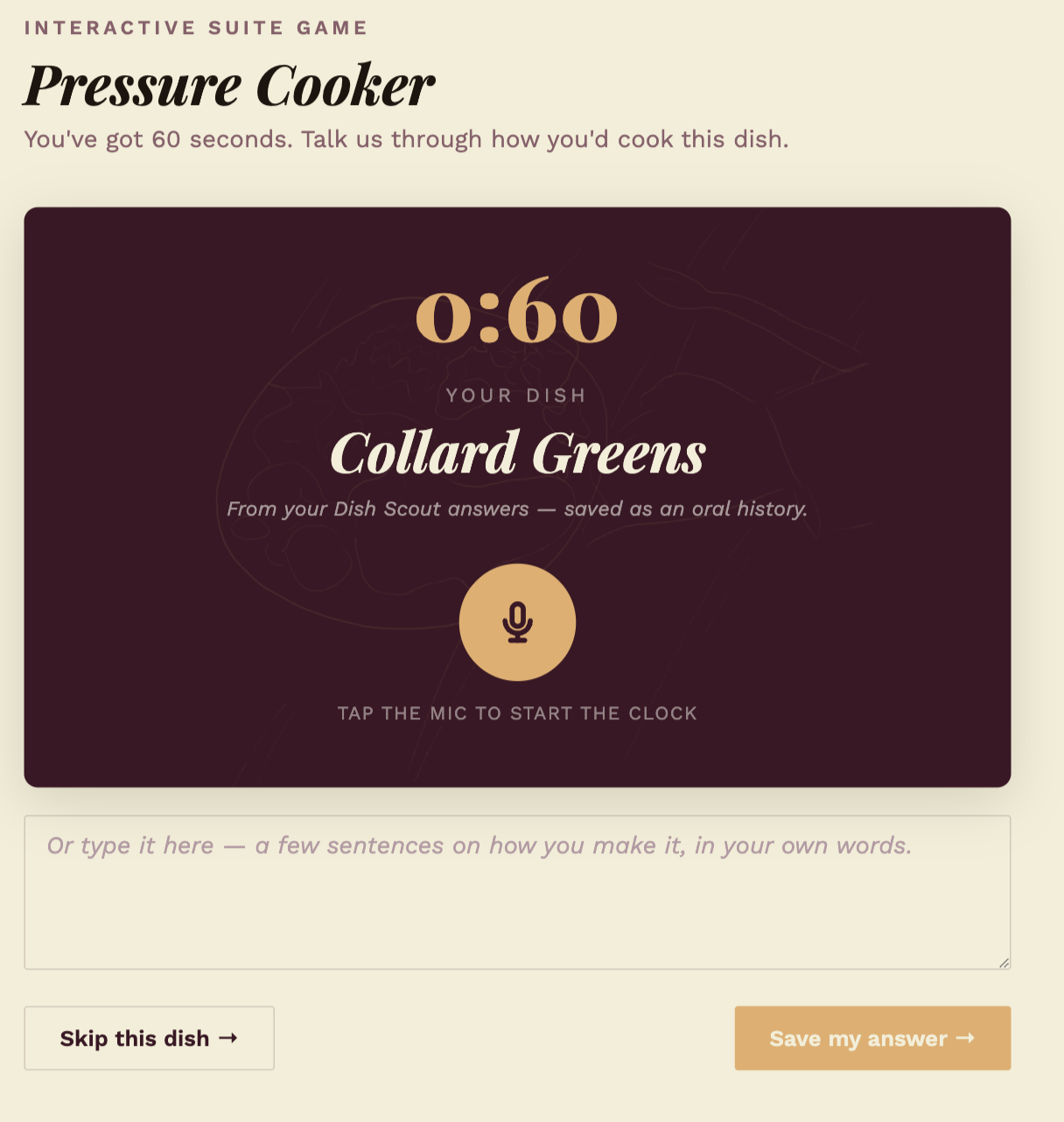
This is a culinary atlas built alongside a documentary of the same name — tracing the origins, migrations, and living lineages of soul food in the American South. It is not a recipe database. It is an oral history archive organized around dishes.
Each dish in the atlas carries two kinds of knowledge: a curated editorial record written by the documentary team, tracing diasporic origins and historical context; and a growing collection of oral histories contributed by families, home cooks, and community members across the South and its diaspora.
The atlas is designed to grow with the documentary — and beyond it.
Each dish is tagged two ways. Diasporic origin tags trace where a dish's core ingredients, techniques, or traditions come from — West Africa, Indigenous/Native, Gullah Geechee, European, Caribbean & Creole, and Appalachian. Many dishes carry more than one. Recipe type tags describe where the dish lives at the table: main, side, breakfast, dessert, preservation food, or ritual/celebration.
These tags are not meant to fully contain a dish. They are a way in — a starting point for navigation.